Best Homogeneous Floor Options for Your Home?
Choosing the right flooring for your home can be challenging. The market offers various options, but many homeowners overlook the benefits of homogeneous floors. John Peterson, a flooring expert with over 20 years of experience, once stated, "Homogeneous floors combine durability with elegance, making them perfect for any living space." This highlights their unique qualities.
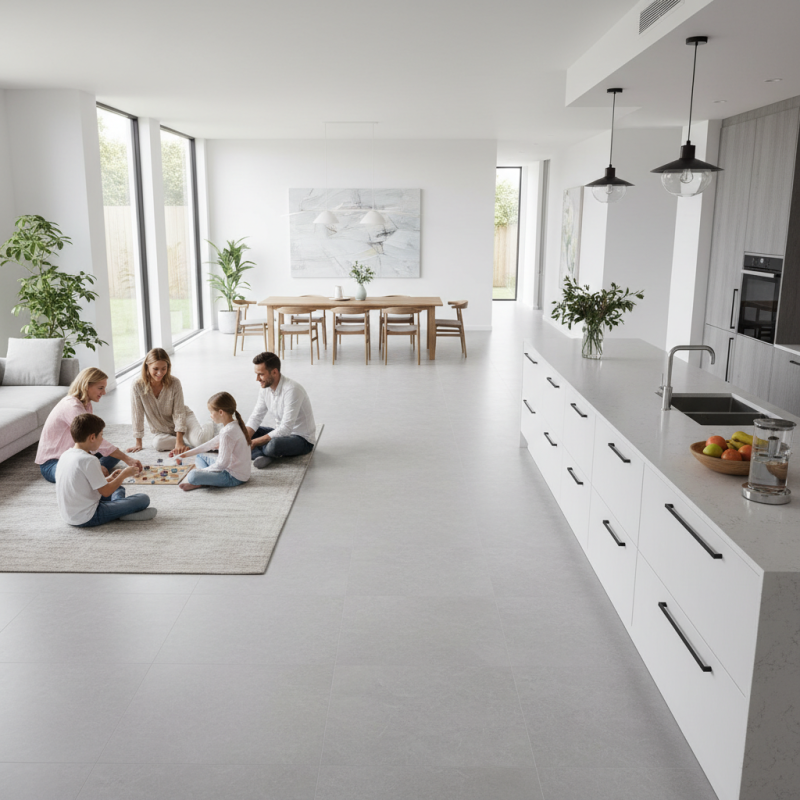
homogeneous floors are known for their consistent color and texture throughout, offering a sleek look. They are resistant to stains and moisture, ideal for high-traffic areas. Imagine a bustling family room or a chic kitchen; these floors withstand the wear and tear of daily life. However, some may find their installation challenging.
Not every home suits a homogeneous floor. The wrong choice can lead to unexpected issues. It is crucial to consider your lifestyle and aesthetic preferences. Consulting with professionals can guide you to a decision that enhances your home’s value and comfort. Reflection on these factors ensures that your flooring choice truly fits your needs.
Types of Homogeneous Flooring Materials You Can Choose
When considering homogeneous flooring options for your home, it’s essential to explore the types of materials available. Homogeneous flooring is known for its durability and versatility. It often comes in vinyl, rubber, or even linoleum. Each type has unique characteristics that can suit different needs.
Vinyl flooring is a popular choice. It’s affordable and easy to install. Moreover, it offers various designs, including realistic wood and stone looks. However, one must be cautious with its quality. Low-grade vinyl can wear out quickly and show scratches easily.
Rubber flooring is another great alternative. It provides excellent cushioning and slip resistance. This material is often used in gyms or children’s play areas. On the downside, rubber can sometimes retain odors and may require more maintenance than other types.
Tip: Always check for eco-friendly options when choosing your flooring. Sustainable materials reduce environmental impact and can improve indoor air quality.
Linoleum is a classic option. It consists of natural materials, making it biodegradable. This flooring can last a long time with proper care. However, it may fade or scratch, so consider your lifestyle before choosing this material.
Tip: Regardless of the type, always test samples in your space. Lighting and furniture can greatly influence the overall effect.
Benefits of Using Homogeneous Flooring in Your Home
Homogeneous flooring is gaining popularity for many reasons. It offers a uniform appearance that can elevate any home’s aesthetic. According to industry reports, homogeneous tiles can reduce installation time by up to 30%. This is ideal for homeowners looking for efficient home renovations.
One major benefit is durability. Homogeneous flooring can withstand heavy foot traffic, making it great for busy households. Its resistance to staining and scratching is impressive. Studies show that these floors can last over 20 years with proper maintenance. This longevity translates to cost savings in the long run.
**Tip:** When selecting flooring, consider light colors to enhance natural light in your home. Experimenting with textures can also create a unique visual appeal. Remember to weigh the pros and cons of each option. Not every type may fit your specific needs, so thorough research is essential before making a final decision.
Comparison of Different Homogeneous Flooring Options
Factors to Consider When Selecting Homogeneous Floors
Choosing the right homogeneous floor for your home involves various important factors. A key consideration is the material composition. Many types of homogeneous flooring are made of PVC, providing durability and ease of maintenance. According to industry reports, over 45% of consumers prioritize low maintenance when selecting flooring options.
Another critical factor is the floor's thickness. Most homogeneous floors range from 2mm to 5mm thick. Thicker options often provide better sound insulation and feel more comfortable underfoot. This can improve your home’s overall ambiance, a detail consumers often overlook. Additionally, aesthetic appeal plays a significant role. Colors and patterns can greatly affect the visual space. Recent surveys indicate that about 70% of homeowners express a preference for unique designs that set their homes apart.
Finally, eco-friendliness is becoming increasingly important. With around 32% of consumers considering sustainability, choosing non-toxic and recyclable materials is wise. However, many homogeneous floorings still lack sufficient certifications, causing uncertainty among buyers. Reflecting on these factors can help narrow down choices and lead to better satisfaction with your flooring investment.
Installation Techniques for Homogeneous Flooring Options
When considering homogeneous flooring, installation techniques play a vital role in achieving a perfect finish. Proper preparation is crucial. Begin by ensuring the subfloor is clean and level. Any imperfections can result in an uneven surface. Measure the room accurately to minimize waste as well. An unplanned cut can lead to frustration during installation.
Utilizing the right adhesive is key. Apply it evenly to avoid bubbles. Working in sections helps manage the installation better. Start from the center of the room for symmetry. Use a roller to ensure the flooring adheres properly. It's easy to overlook small details, but these matter significantly.
Tools can make a difference too. A sharp utility knife can ensure clean cuts. A straight edge helps maintain lines. Mistakes happen, but addressing them promptly can lead to a better result. Some might find it daunting, but practice improves skill. Each installation offers a chance to learn and refine techniques.
Maintenance Tips for Longevity of Homogeneous Floors
When it comes to maintaining homogeneous floors, regular care is essential. Dust and dirt can accumulate quickly on flat surfaces, dulling their shine. Sweeping or vacuuming at least once a week prevents dirt buildup. For deeper cleaning, damp mopping with a gentle cleanser can revive the floor’s appearance. Avoid harsh chemicals, as they can cause discoloration or damage.
Another important aspect is protective measures. Consider placing rugs at entry points to catch debris. Using felt pads under furniture prevents scratches and scuffs. However, despite these precautions, scratches may still occur. A repair kit for minor scratches can be very handy. Remember, no floor is invincible, and the goal is to keep your space looking fresh.
Environmental factors can also impact longevity. Direct sunlight can fade colors over time. Installing window treatments can help control light exposure. When humidity levels rise or fall unexpectedly, materials can expand or contract. Monitoring your home’s climate will maintain the integrity of your floors. Each action plays a crucial role in ensuring your homogeneous floors remain beautiful for years.
Best Homogeneous Floor Options for Your Home? - Maintenance Tips for Longevity of Homogeneous Floors
| Floor Type | Material | Thickness (mm) | Maintenance Frequency | Expected Lifespan (years) |
| Vinyl Composite Tile | Vinyl and Limestone | 2-5 | Weekly Cleaning | 10-15 |
| Porcelain Tiles | Clay and Talc | 9-12 | Monthly Deep Cleaning | 20-30 |
| Laminate Flooring | Fiberboard with Melamine | 7-12 | Biannual Cleaning | 15-25 |
| Natural Stone | Marble, Granite | 10-20 | Quarterly Sealing | 40-100 |
| Rubber Flooring | Natural or Synthetic Rubber | 4-10 | Monthly Sweeping | 20-30 |