What is the Sand Molding Process and How Does it Work?
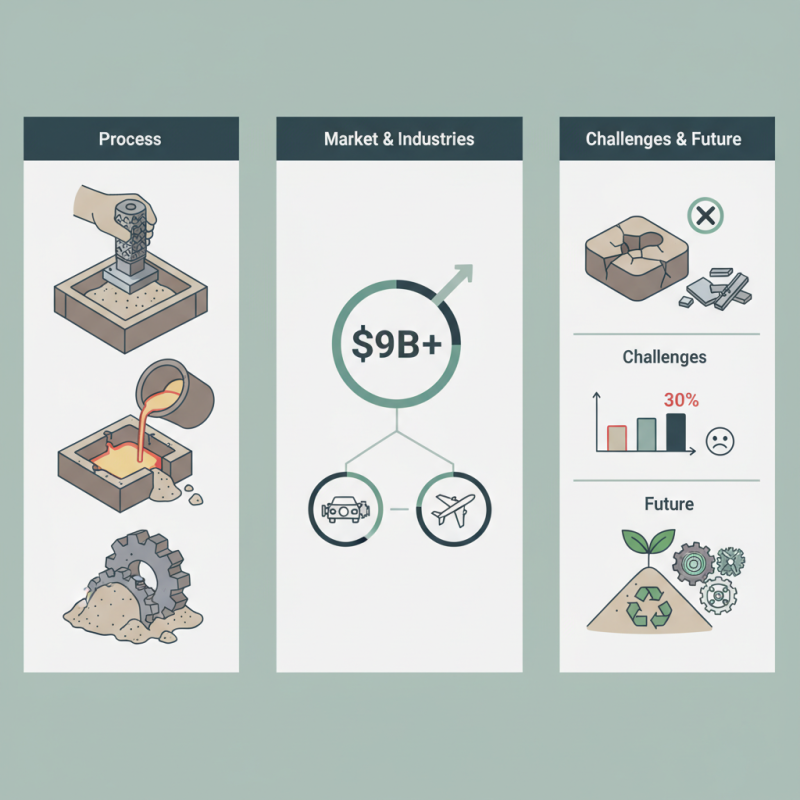
The sand molding process is a pivotal method in the foundry industry. In 2020, the global sand casting market was valued at over $9 billion. This highlights its significance. The process involves creating molds from sand mixtures to pour molten metal. Industries, including automotive and aerospace, heavily rely on this technique.
However, it’s not without challenges. The quality of sand and binder materials can greatly affect the final product. Reports show that about 30% of foundry operations face issues related to mold defects. These defects can lead to costly rework and scrap.
Moreover, environmental concerns about sand extraction are rising. Sustainable alternatives are being explored but often face performance issues. Thus, while the sand molding process boasts vast applications, it also presents a spectrum of challenges that demand ongoing innovation and reflection.
Understanding the Sand Molding Process: An Overview
The sand molding process is a crucial technique in metal casting. It involves creating molds from sand mixtures to shape metal products. A blend of sand, clay, and water forms the core of this method. According to industry reports, over 70% of metal casting in foundries utilizes sand molds due to their versatility and cost-effectiveness. The molds are shaped by compacting the sand mixture around a pattern, which is then removed, leaving a cavity for molten metal.
While sand molding offers various advantages, challenges exist. Achieving the right mixture and compaction is vital. Excess moisture can weaken the mold. Insufficient compaction may lead to defects in the casting. A study pointed out that nearly 5% of casts are rejected due to poor mold quality. Therefore, consistent monitoring during the process is essential for maintaining high standards.
**Tip:** Always test the sand's moisture content before starting. This small step can help prevent costly mistakes. Proper training for workers on compaction techniques can also significantly improve final outcomes. Keeping an eye on environmental factors is key, as temperature and humidity can change sand properties unpredictably.
What is the Sand Molding Process and How Does it Work?
| Step | Description | Materials Used | Advantages | Applications |
| 1 | Creating the Pattern | Metal, Wood, Plastic | High precision | Automotive parts |
| 2 | Mold Preparation | Sand, Binder | Cost-effective | Heavy machinery |
| 3 | Melting the Metal | Alloy Materials | Quick melting | Aerospace components |
| 4 | Pouring | Liquid Metal | Complex shapes | Manufacturing parts |
| 5 | Cooling and Solidifying | N/A | Durability | Construction materials |
| 6 | Finishing | Grinding Tools | Enhanced surface finish | Consumer products |
Components of the Sand Molding Process: Materials and Tools
The sand molding process is essential in manufacturing. It shapes metals and other materials into precise forms. Understanding the critical components helps improve the overall process. Key materials include sand, bonding agents, and water.
Silica sand is the core component. It must have the right grain size and purity. Bonding agents, like clay, help the sand adhere together. Water activates these agents and adds strength. The right mix ensures durability during the molding process.
Tools are equally important. Molds are typically created from metal or wood. Ensure they are clean and free from defects. The quality of tooling can affect the final product. Operators also require various hand tools for shaping and finishing. Attention to detail is crucial here. Mistakes in preparation can lead to increased waste and rework. Balancing these elements takes practice and precision.
Step-by-Step Procedure of Sand Molding: From Preparation to Casting
The sand molding process is essential in metal casting. It begins with preparation, including selecting the right sand. The mixture typically involves 90% sand, 5% clay, and 5% water. This combination ensures the mold is sturdy yet adaptable. According to a report by the American Foundry Society, around 70% of all metal castings use sand molds.
After preparing the sand, the next step is the molding process. This involves packing the sand mixture into a mold box, creating a cavity in the shape of the intended object. The quality of packing directly affects the final cast's precision. A well-packed mold can prevent defects, whereas loose packing can lead to flaws. Studies have shown that up to 20% of cast defects can be traced back to improper molding techniques.
Once the mold is ready, the metal is poured. Timing is crucial here. The molten metal solidifies quickly, often within minutes. However, if the temperature is too low, it might not fill the mold completely. Proper temperature control can reduce this risk. For example, maintaining a molten metal temperature between 1,350°C and 1,500°C is vital for effective casting. Each step in this process requires attention to detail and continuous improvement to ensure high-quality outcomes.
Sand Molding Process Steps
This chart illustrates the time distribution across different steps in the sand molding process. Each step is crucial for ensuring high-quality casting, with varying time allocations from preparation to finishing.
Advantages and Disadvantages of Using Sand Molding Techniques
Sand molding is a widely used technique in metal casting. It offers several benefits. One major advantage is its flexibility. Sand molds can be easily shaped to accommodate complex designs. This adaptability allows for intricate casting with minimal cost.
However, sand molding has its drawbacks. The process can be time-consuming. Preparing molds takes longer than some other methods. Additionally, the surface finish of castings may not be as smooth, which often requires further machining, adding to production time. According to industry data, around 30% of sand castings require post-processing to achieve the desired quality.
Another consideration is sand quality. The use of recycled sand can introduce impurities, affecting the final product. A study showed that 15% of sand used is not optimal for high-precision applications. This inconsistency can lead to defects, requiring quality inspections. Overall, while sand molding is versatile and cost-effective, balancing its advantages and limitations is crucial for achieving quality outcomes.
Applications of Sand Molding in Various Industries and Products
The sand molding process is widely used across various industries. This technique allows manufacturers to create complex shapes with precision. Car parts, for instance, often utilize sand molds. The adaptability of this method is evident in the automotive sector. Each mold can be customized based on specific design requirements.
In addition to automotive applications, sand molding is also used in art and sculpture. Artists create intricate designs that capture attention. Metal castings in building construction rely on this method too. It provides durability and strength, essential for structural integrity. However, there are challenges. The sand used can sometimes lead to imperfections in the final product.
Recycling sand can be an issue as well. Not all sand can be reused effectively. This raises environmental concerns and prompts manufacturers to rethink their practices. Despite these challenges, industries continue to explore the potential of sand molding. Its versatility keeps it relevant, even as technology evolves.